
Mammal species profile
South American Sea Lion
Otaria flavescens
- Order
- Carnivora
- Family
- Otariidae
A closer look
Illustrated identification
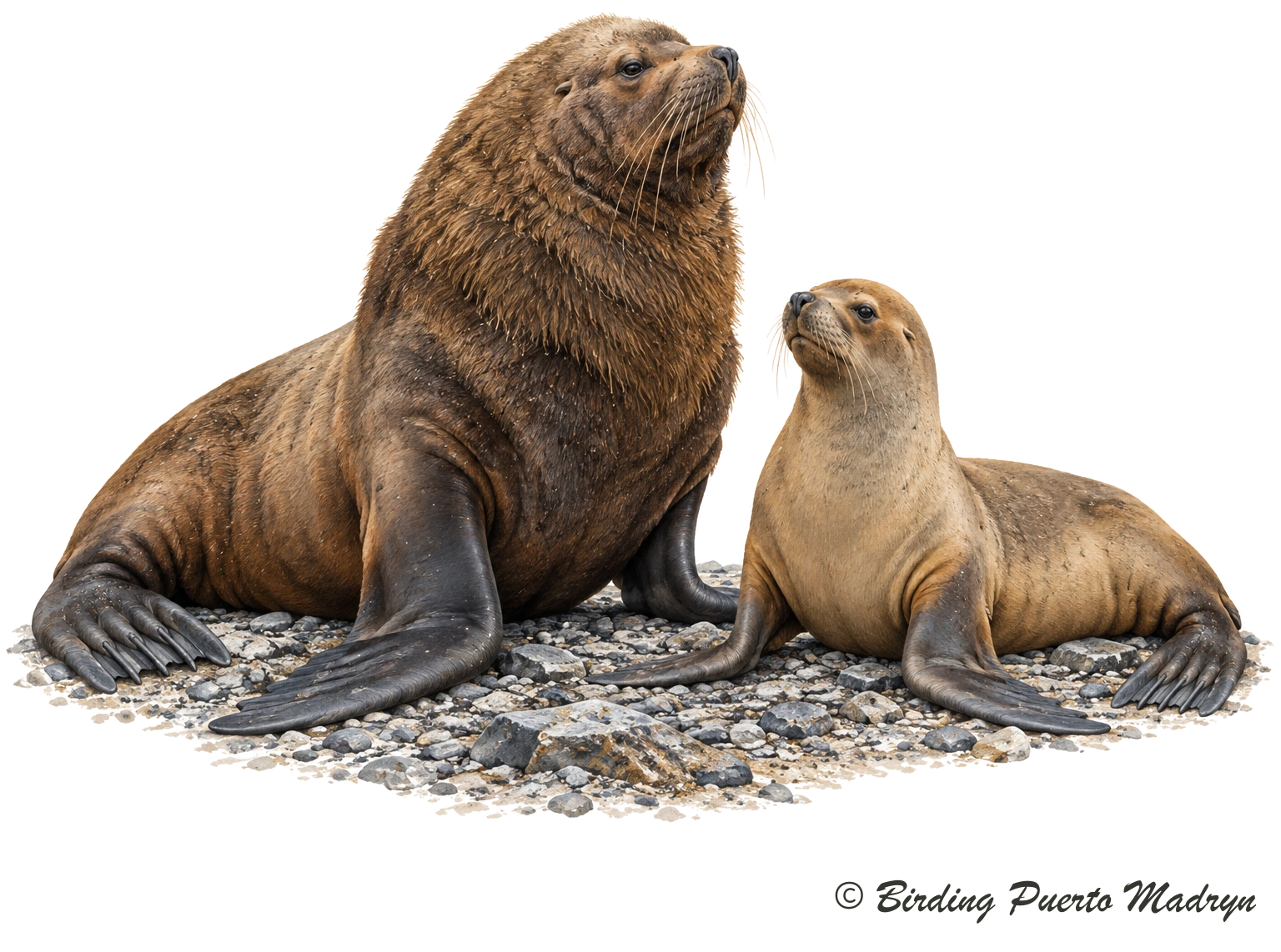 View larger
About the species
Adult males have a heavy neck, broad muzzle and conspicuous mane; females are smaller and more slender. Both have visible ear flaps. On land, sea lions can support themselves on all four flippers, a useful distinction from the crawling movement of elephant seals.
Colonies alternate busy breeding periods with resting and feeding activity. Adults leave shore to hunt fish and cephalopods, then return to haul out. Along Valdés, breeding takes place in summer, with many births in January; the mix of males, females and young changes through the year.
In our region. Present along the regional coast throughout the year. Breeding activity is concentrated in December–February, while the purpose and composition of individual haul-outs vary seasonally.
Habitat
Rocky and pebbly coastal haul-outs and adjacent shelf waters.
Foraging
Fish, squid, octopus and other coastal marine prey.
Source
Administración Península Valdés: Lobo marino de un pelo
Mammal Diversity Database: Otaria flavescens
Illustrations and design © Birding Puerto Madryn / Tinamou Travel. All rights reserved.