
Bird species profile
American Oystercatcher
Haematopus palliatus
- Order
- Charadriiformes
- Family
- Haematopodidae

A closer look
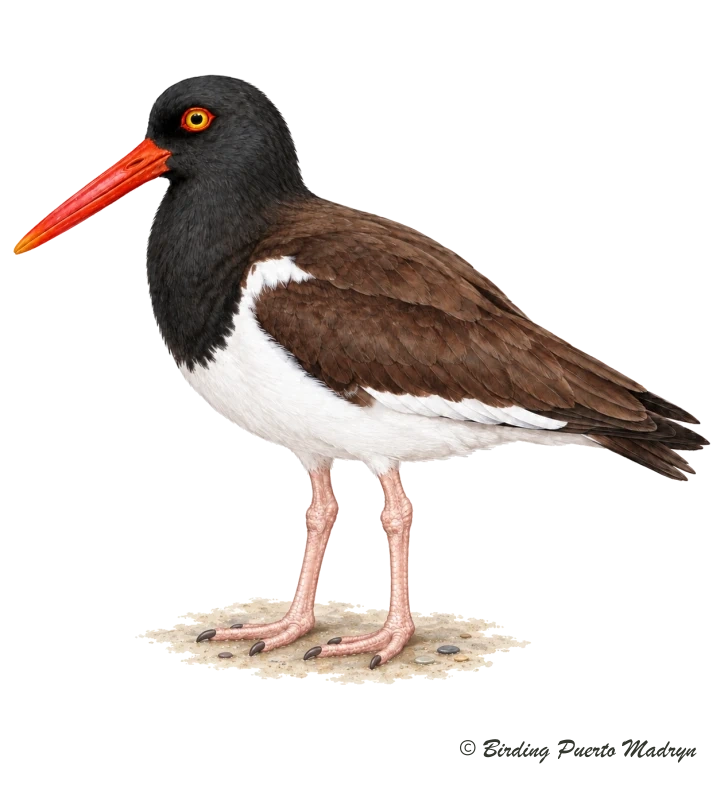
Illustrated identification
 View larger
About the species
The American Oystercatcher is a large, charismatic shorebird easily recognized by its bold black head, white underparts, and long, vivid orange bill. Found along the Atlantic and Pacific coasts of Patagonia, this species is a specialist feeder, using its strong bill to open bivalve shells such as oysters, mussels, and clams. Oystercatchers are often seen in pairs or small groups, patrolling rocky and sandy shores. Their loud, whistling calls and conspicuous appearance make them a favorite among birdwatchers. During the breeding season, they nest on open beaches or islands, laying camouflaged eggs in shallow scrapes. Both parents share incubation and chick-rearing duties. Disturbance by people, dogs, and vehicles can reduce nesting success.
Habitat
Rocky and sandy coastal shores, tidal flats, and estuaries throughout Patagonia.
Foraging
Feeds mainly on mollusks, using its strong bill to pry open shells on exposed tidal flats and rocky shores.
Source
Illustrations and design © Birding Puerto Madryn / Tinamou Travel. All rights reserved.