

Patagonia Multi-Habitat Targeted Expedition
A fully private Patagonia specialty expedition across Monte, steppe, coast and Andean forest, with a scenic return across central Chubut.
Executive Summary
- Duration: 7 full birding days
- Format: Fully private custom expedition
- Client profile: Advanced international birder on a third visit to Argentina
- Primary objective: Exclusive focus on remaining Patagonia specialties under strict photographic criteria
- Habitats covered: Monte Austral, Patagonian Steppe, Atlantic Coast (Península Valdés and Punta Tombo), Andean Patagonian Forest
- Outcome: Virtually all priority targets secured; 47 new photographic additions
Field Summary
112 species · 11 highlights · 46 lifers · 6 endemics
Key Species Highlights
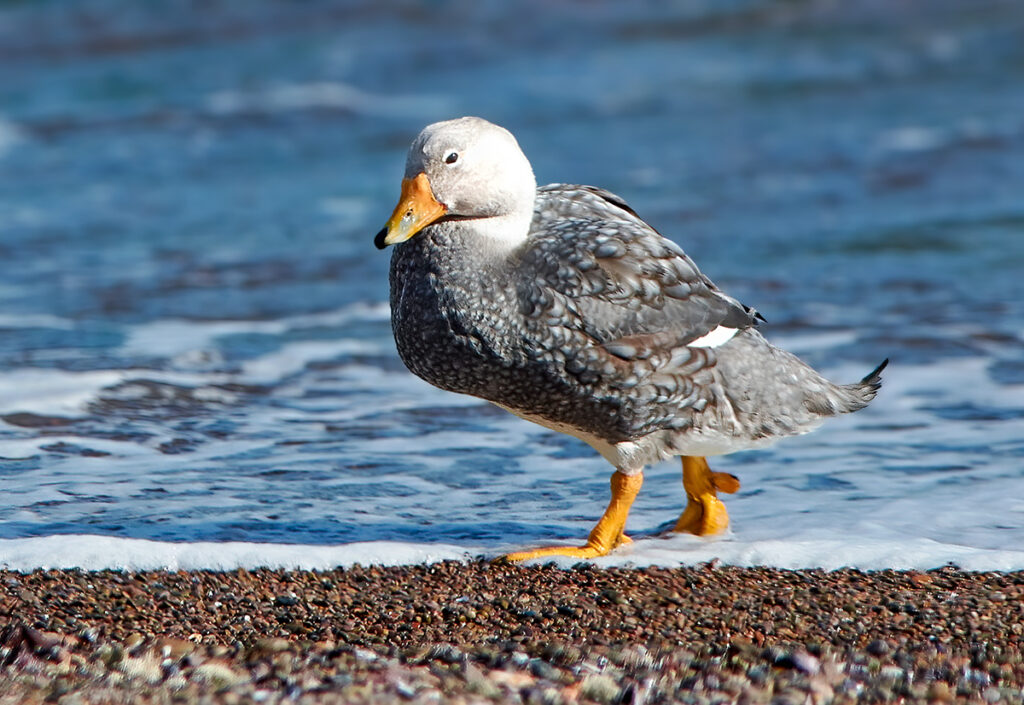
- Chubut Steamer Duck Tachyeres leucocephalus Endemic
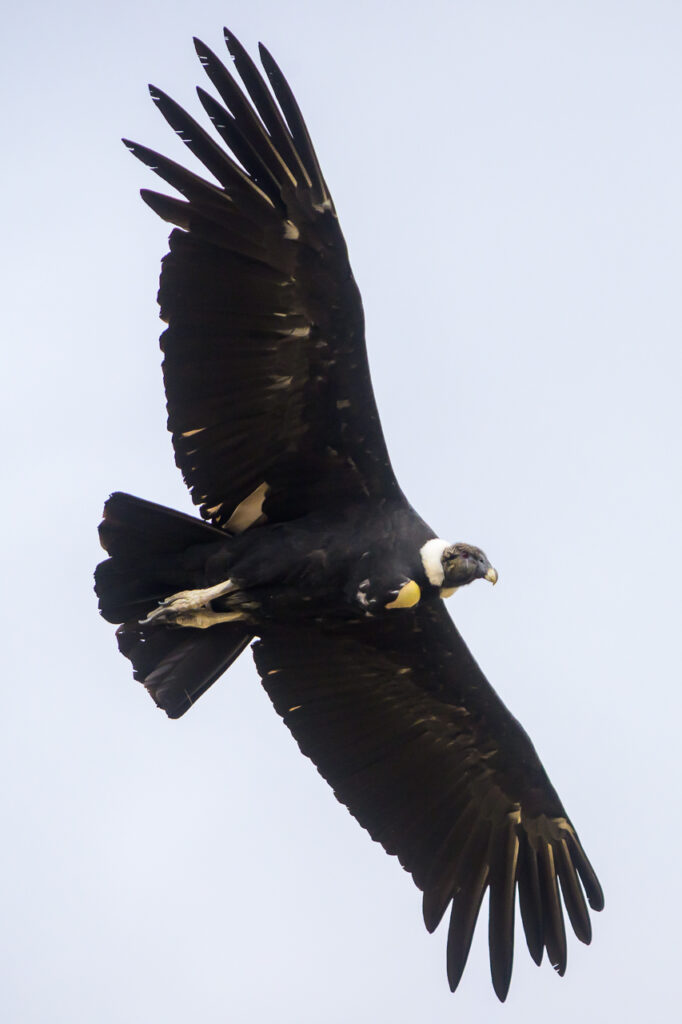
- Andean Condor Vultur gryphus
- Magellanic Woodpecker Campephilus magellanicus
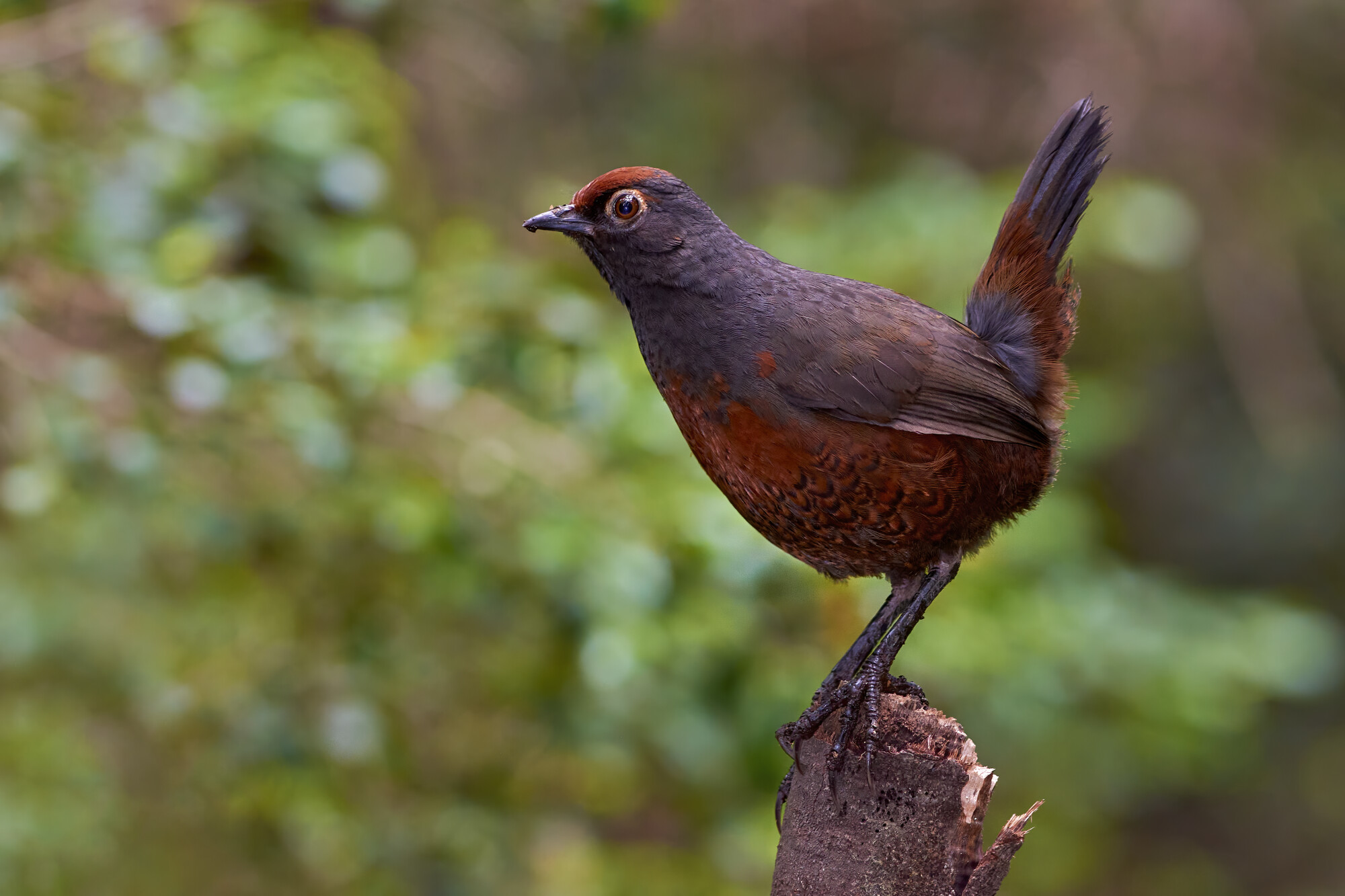
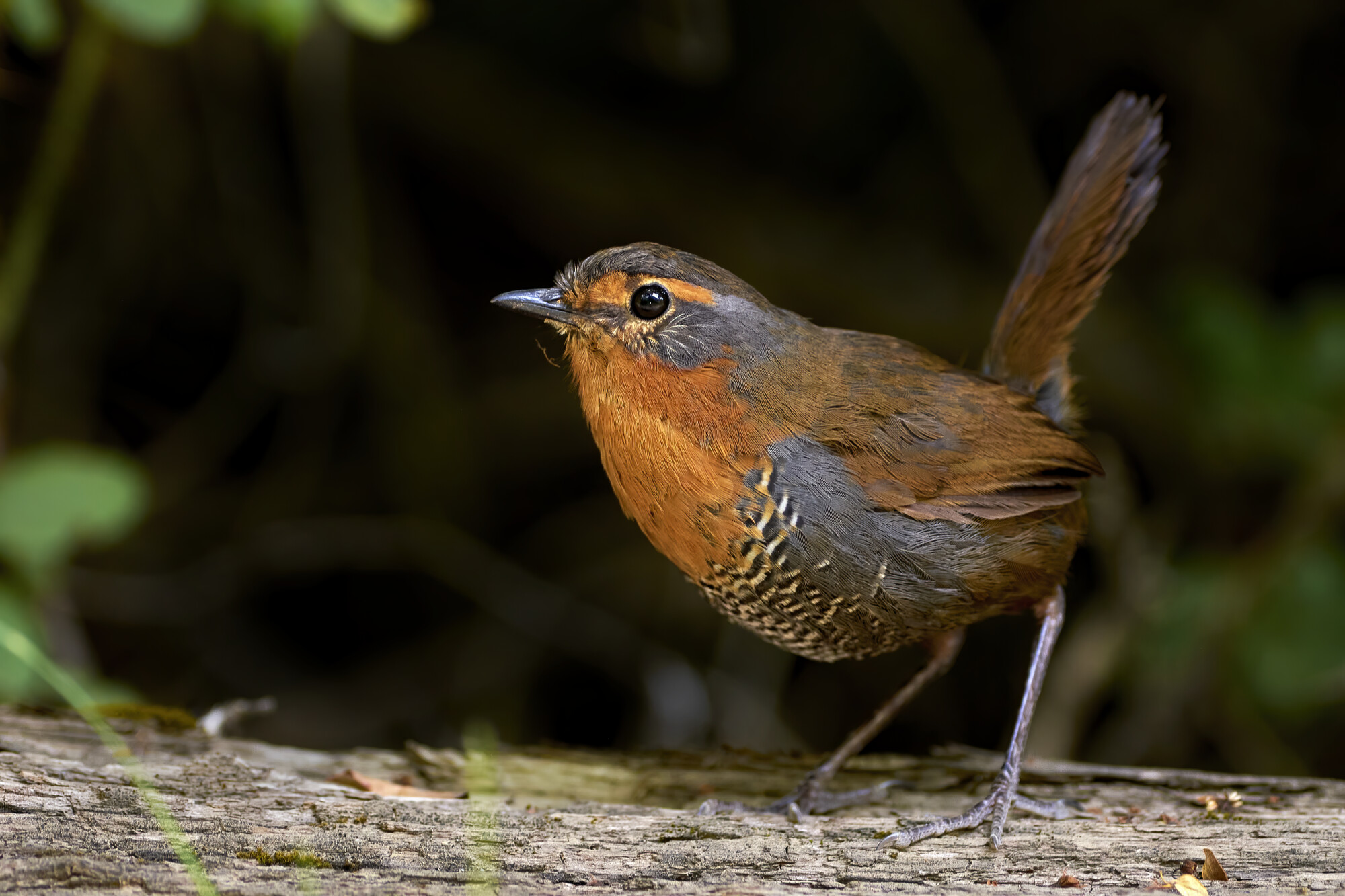
- Chucao Tapaculo Scelorchilus rubecula
- Black-throated Huet-huet Pteroptochos tarnii
- Sandy Gallito Teledromas fuscus Endemic
- Magellanic Tapaculo Scytalopus magellanicus
- Band-tailed Earthcreeper Ochetorhynchus phoenicurus Endemic
- White-throated Cacholote Pseudoseisura gutturalis Endemic
- Patagonian Canastero Pseudasthenes patagonica Endemic
- Steinbach's Canastero Pseudasthenes steinbachi Endemic
Overview
Bilal arrived in Patagonia on his third visit to Argentina with a very specific objective: not to accumulate easy numbers, but to secure the remaining regional specialties still missing from his national list. Because he was also applying a strict photographic rule, a species only counted once photographed, the expedition had to be built with unusual precision.
Across seven full birding days we covered Monte Austral, Patagonian steppe, Atlantic coast sites (including Península Valdés and Punta Tombo), and Andean Patagonian forest. Virtually all priority targets were secured under the photographic standard, resulting in 47 new photographic additions.
Strategy
Because many Patagonian birds overlap with species already recorded on earlier trips further north in Argentina, the itinerary was built around gaps only. We deliberately ignored the obvious and concentrated on local specialties, low-density furnariids, difficult ground birds, and forest skulkers that demand patience and exact habitat selection.
The objective throughout was not quick views, but repeatable photographic opportunities strong enough to meet Bilal’s own standard.
Monte and Steppe
The Monte and steppe segment formed the backbone of the expedition. This is Patagonia at ground level: shrub mosaics, open gravel flats, subtle structure, and birds that can disappear into the landscape faster than most visiting birders expect. Success here depended on reading the habitat correctly, slowing down in the right places, and working each target until we had clean documentation rather than just a brief encounter.
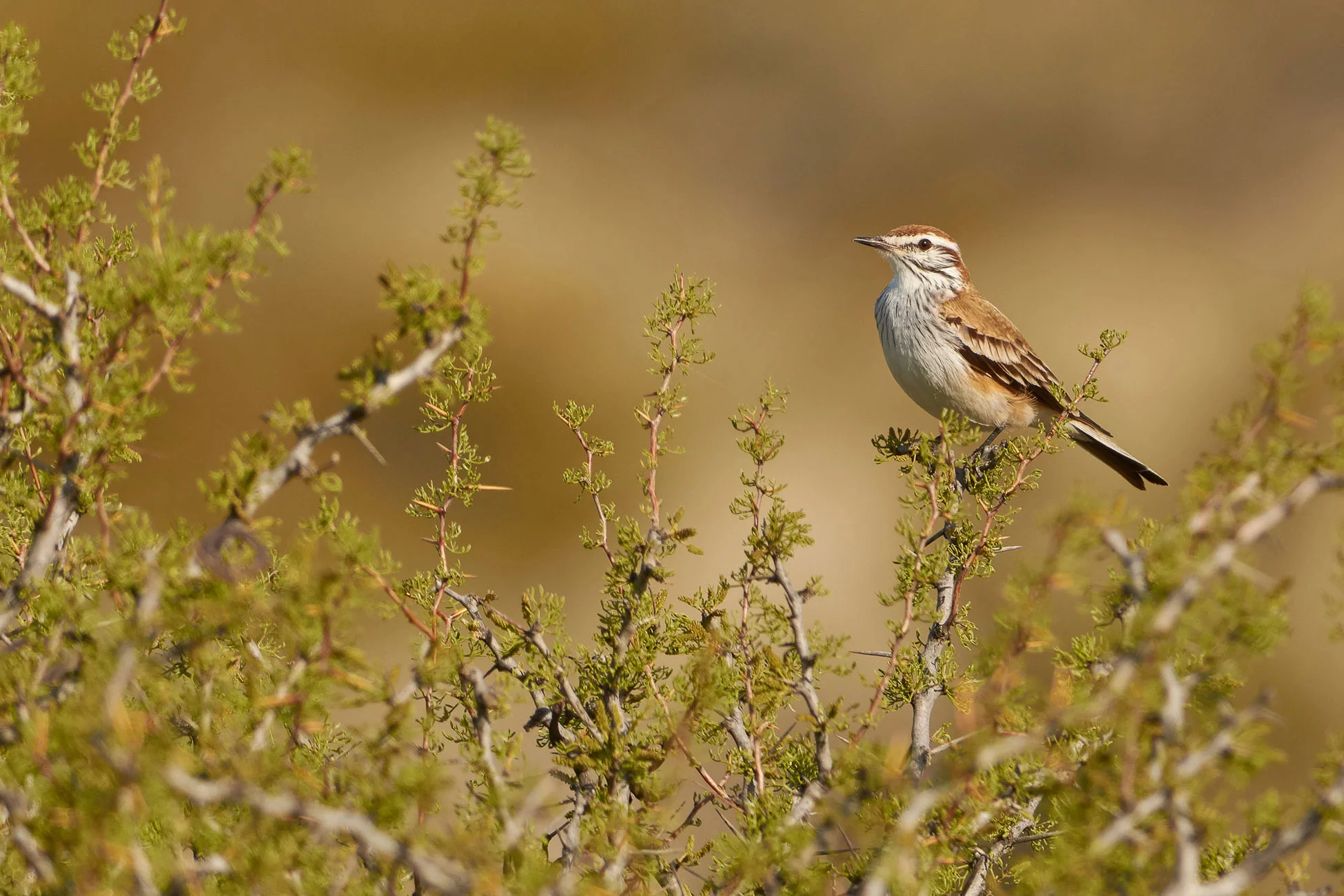
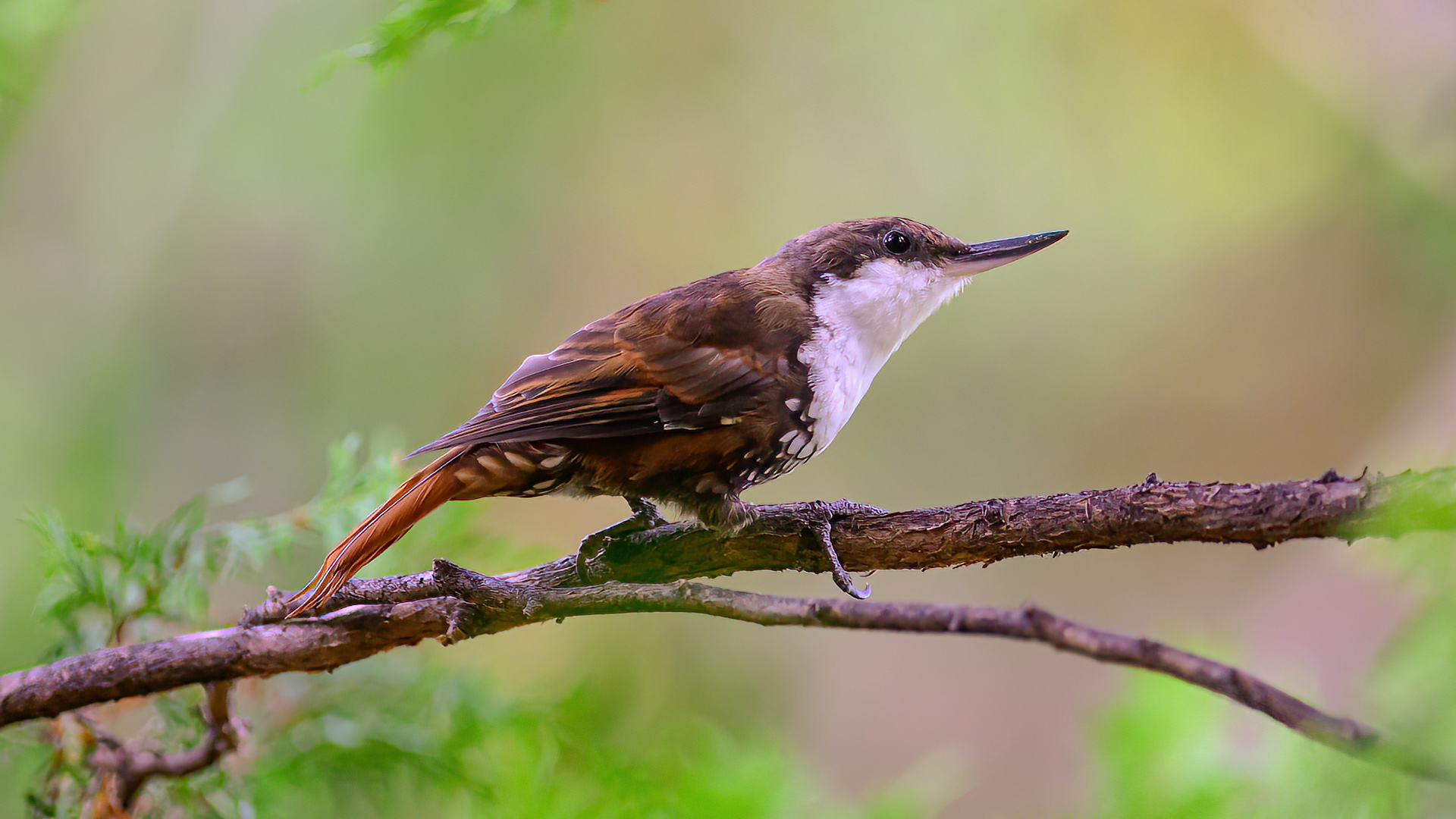
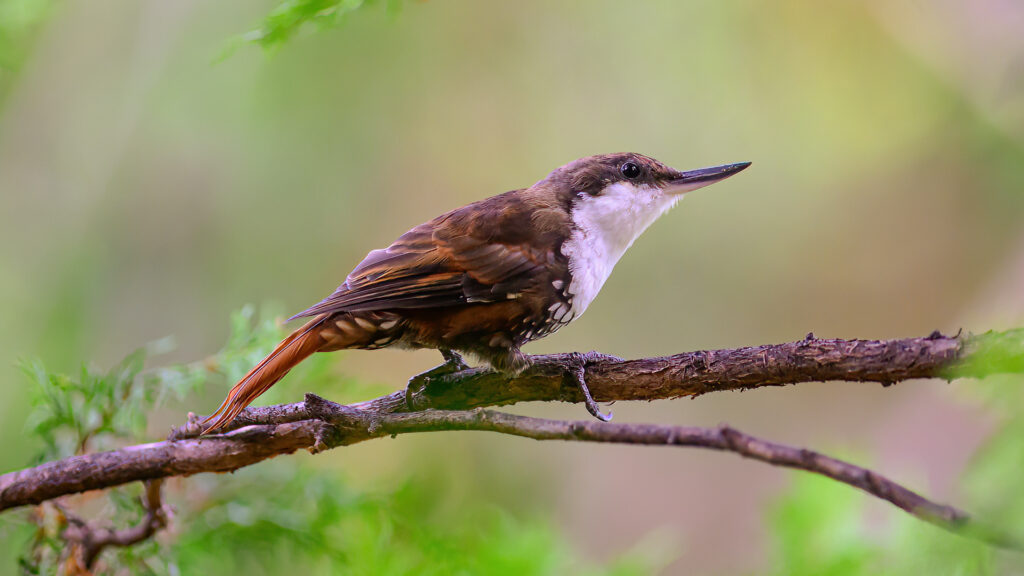
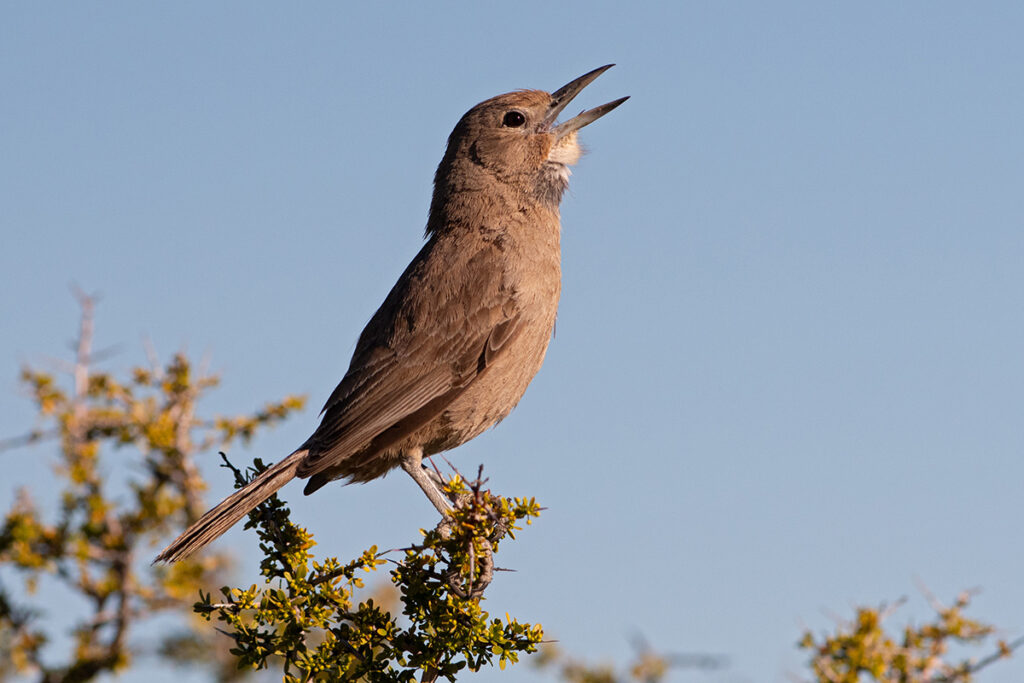
That approach paid off with several of the trip’s most wanted inland specialties, including Sandy Gallito, White-throated Cacholote, Band-tailed Earthcreeper, Patagonian Canastero, and Steinbach’s Canastero.
Section Highlights
- Targeted, photo-confirmed documentation of difficult ground specialists in arid steppe and Monte transition zones
- Efficient microhabitat driven approach, prioritizing repeatable photographic opportunities
- Multiple key regional specialties secured as intended
Key Species
- Sandy Gallito
- White-throated Cacholote
- Band-tailed Earthcreeper
- Patagonian Canastero
- Steinbach’s Canastero
Atlantic Coast
From the dry interior we shifted to the Atlantic coast, where the focus turned to shoreline and marine-linked birds in classic eastern Patagonia settings. Site timing and positioning were planned specifically for stable photographic encounters, especially with Chubut Steamer Duck and Southern Giant Petrel from the cliffs in Península Valdés, while the broader coastal leg also added one of Patagonia’s emblematic experiences with Magellanic Penguin.
Section Highlights
- Coastal specialties targeted with a photography first approach
- Strong conditions and positioning for clean documentation of priority targets
Key Species
- Chubut Steamer Duck (White-headed Steamer-Duck)
- Magellanic Penguin
Andes & Forest
The Andean segment delivered some of the most memorable moments of the journey. Along a mountain road in the cordillera, Andean Condors approached at eye level and passed close in flight, giving Bilal one of those encounters that remains vivid long after the checklist is closed.
Inside the Andean Patagonian forest, the rhythm changed completely: darker habitat, denser cover, more patience, and careful work around the tapaculo complex. One especially rewarding observation involved a pair of Magellanic Woodpeckers feeding a juvenile at close-range, allowing extended behavioral study and photography. For a photography-driven trip, this became one of the signature moments of the expedition.
Section Highlights
- Close-range Andean Condor flight encounter with excellent photo opportunities
- Tapaculo complex
- Magellanic Woodpeckers observed feeding a juvenile at close-range
Key Species
- Andean Condor
- Magellanic Tapaculo
- Chucao Tapaculo
- Black-throated Huet-huet
- Magellanic Woodpecker
The road back across Chubut
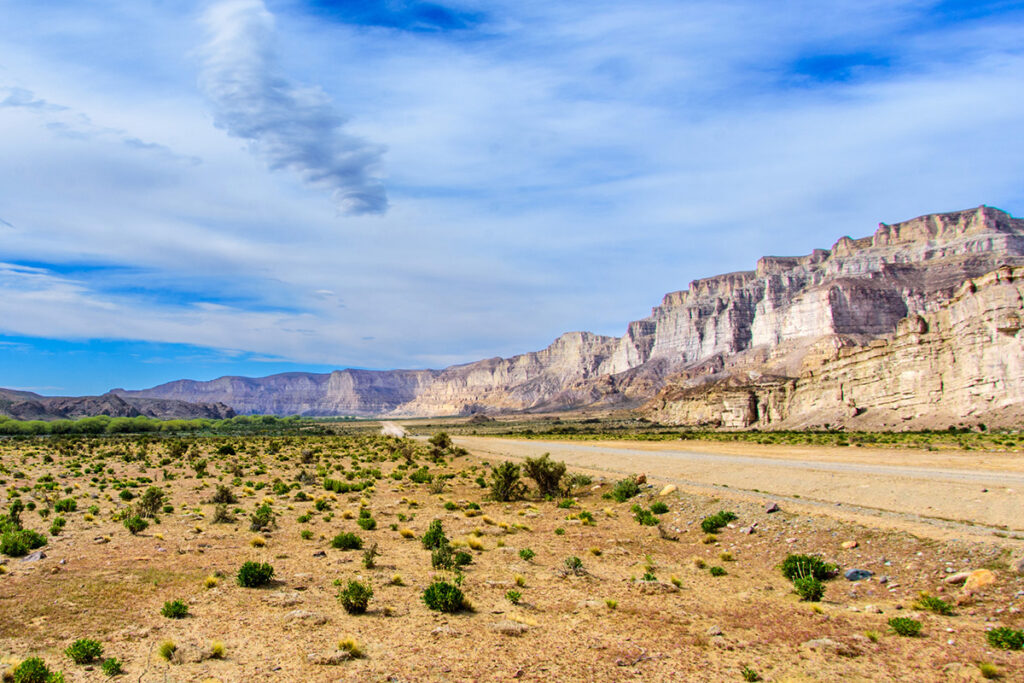
One part of the trip worth making explicit is the sheer scale of the landscape between habitats. After the cordillera, we returned across central Chubut via Gualjaina, Piedra Parada, Paso del Sapo and onward through the Cerro Cóndor area.
That drive added something essential to the expedition: not only birds, but also the feeling of crossing a vast and rugged Patagonia shaped by deep valleys, volcanic formations, open steppe, and deep time. The Cerro Cóndor area lies within the wider Cañadón Asfalto Basin, one of Gondwana’s most important continental Jurassic fossil records. Discoveries from this landscape include Patagosaurus, the predatory theropod Piatnitzkysaurus, the small ornithischian Manidens condorensis, named after nearby Cerro Cóndor, and the pterosaur Allkaruen, finds that help illuminate the early evolution of sauropods, theropods, ornithischians and flying reptiles. Part of that deeper history can also be followed today at the MEF (Museo Egidio Feruglio) in Trelew, where Bagualia alba, one of the oldest known sauropods, is represented in the permanent exhibition.
The same return through the arid interior also remained productive for birding. Steppe specialists were still part of the landscape, including Straight-billed Earthcreeper, a species that fits these stony slopes and open scrub perfectly and a reminder that even scenic transit days in Patagonia can continue to produce worthwhile field observations.
Key Achievements
- 47 new photographic additions for an advanced birder on a third visit to Argentina, with a strong existing national list
- Multi-habitat coverage across Patagonia: Monte, steppe, Atlantic coast, and Andean forest
- Core regional specialties documented under strict photo-confirmed criteria
- Close-range Andean Condor flight encounter
- Magellanic Woodpecker feeding a juvenile at close-range, enabling extended behavioral documentation
- Tapaculo complex successfully photographed: Magellanic Tapaculo, Chucao Tapaculo, Black-throated Huet-huet, plus Sandy Gallito as a key ground specialist focus
In the field
Bilal with Birding Puerto Madryn guides Agustín Esmoris and Agustina Ayala at Piedra Parada, on the return through central Chubut. This stretch across the middle Chubut valley added scale, scenery and a strong sense of place to the expedition.

Enquire about a private itinerary
For returning birders with advanced Argentina lists, Patagonia is often the region where careful design, timing, and local knowledge make the biggest difference.
If you would like a similarly targeted private itinerary, contact us and we will design a custom Patagonia plan around your current list, priorities, and travel window.
Related itineraries
More Photos and Video
Full Species List
Click to expand the full species list
Rheiformes
Rheidae
- Lesser RheaRhea pennata
Tinamiformes
Tinamidae
- Elegant Crested TinamouEudromia elegans
Anseriformes
Anatidae
- Lake DuckOxyura vittata
- Upland GooseChloephaga picta
- Crested DuckLophonetta specularioides
- Flying Steamer DuckTachyeres patachonicus
- Chubut Steamer DuckTachyeres leucocephalusEndemic
- Red ShovelerSpatula platalea
- Chiloe WigeonMareca sibilatrix
- Yellow-billed PintailAnas georgica
- Yellow-billed TealAnas flavirostris
Galliformes
Odontophoridae
- California QuailCallipepla californica
Phoenicopteriformes
Phoenicopteridae
- Chilean FlamingoPhoenicopterus chilensis
Podicipediformes
Podicipedidae
- White-tufted GrebeRollandia rolland
- Great GrebePodiceps major
- Silvery GrebePodiceps occipitalis
Columbiformes
Columbidae
- Picui Ground DoveColumbina picui
- West Peruvian DoveZenaida meloda
- Chilean PigeonPatagioenas araucana
- Rock DoveColumba livia
Charadriiformes
Chionidae
- Snowy SheathbillChionis albus
Recurvirostridae
- Black-necked StiltHimantopus mexicanus
Haematopodidae
- Blackish OystercatcherHaematopus ater
- American OystercatcherHaematopus palliatus
Charadriidae
- Southern LapwingVanellus chilensis
- Two-banded PloverAnarhynchus falklandicus
Thinocoridae
- Least SeedsnipeThinocorus rumicivorus
Scolopacidae
- Lesser YellowlegsTringa flavipes
- Greater YellowlegsTringa melanoleuca
Laridae
- South American TernSterna hirundinacea
- Brown-hooded GullChroicocephalus maculipennis
- Dolphin GullLeucophaeus scoresbii
- Kelp GullLarus dominicanus
Sphenisciformes
Spheniscidae
- Magellanic PenguinSpheniscus magellanicus
Procellariiformes
Procellariidae
- Southern Giant PetrelMacronectes giganteus
Suliformes
Phalacrocoracidae
- Neotropic CormorantNannopterum brasilianum
- Rock ShagLeucocarbo magellanicus
- Imperial ShagLeucocarbo atriceps
Pelecaniformes
Threskiornithidae
- Black-faced IbisTheristicus melanopis
Ardeidae
- Great EgretArdea alba
- Cocoi HeronArdea cocoi
Apodiformes
Trochilidae
- Green-backed FirecrownSephanoides sephaniodes
Strigiformes
Strigidae
- Burrowing OwlAthene cunicularia
- Austral Pygmy OwlGlaucidium nana
- Lesser Horned OwlBubo magellanicus
Cathartiformes
Cathartidae
- Andean CondorVultur gryphus
- Black VultureCoragyps atratus
- Turkey VultureCathartes aura
Accipitriformes
Accipitridae
- Cinereous HarrierCircus cinereus
- Harris's HawkParabuteo unicinctus
- Variable HawkGeranoaetus polyosoma
- Black-chested Buzzard-EagleGeranoaetus melanoleucus
Piciformes
Picidae
- Chilean FlickerColaptes pitius
- Magellanic WoodpeckerCampephilus magellanicus
- Striped WoodpeckerVeniliornis lignarius
Falconiformes
Falconidae
- Crested CaracaraCaracara plancus
- Chimango CaracaraDaptrius chimango
- American KestrelFalco sparverius
- Aplomado FalconFalco femoralis
Psittaciformes
Psittacidae
- Austral ParakeetEnicognathus ferrugineus
- Burrowing ParrotCyanoliseus patagonus
Passeriformes
Cotingidae
- White-tipped PlantcutterPhytotoma rutila
- Rufous-tailed PlantcutterPhytotoma rara
Tyrannidae
- White-crested ElaeniaElaenia albiceps
- Tufted Tit-TyrantAnairetes parulus
- Great KiskadeePitangus sulphuratus
- Fork-tailed FlycatcherTyrannus savana
- Patagonian TyrantColorhamphus parvirostris
- Spot-billed Ground TyrantMuscisaxicola maculirostris
- Dark-faced Ground TyrantMuscisaxicola maclovianus
- Austral NegritoLessonia rufa
- Fire-eyed DiuconPyrope pyrope
- Black-billed Shrike-TyrantAgriornis montanus
- Great Shrike-TyrantAgriornis lividus
Rhinocryptidae
- Chucao TapaculoScelorchilus rubecula
- Black-throated Huet-huetPteroptochos tarnii
- Sandy GallitoTeledromas fuscusEndemic
- Magellanic TapaculoScytalopus magellanicus
Furnariidae
- Common MinerGeositta cunicularia
- White-throated TreerunnerPygarrhichas albogularis
- Straight-billed EarthcreeperOchetorhynchus ruficaudus
- Band-tailed EarthcreeperOchetorhynchus phoenicurusEndemic
- Rufous HorneroFurnarius rufus
- Scale-throated EarthcreeperUpucerthia dumetaria
- Buff-winged CinclodesCinclodes fuscus
- Thorn-tailed RayaditoAphrastura spinicauda
- Plain-mantled Tit-SpinetailLeptasthenura aegithaloides
- Sharp-billed CanasteroAsthenes pyrrholeuca
- White-throated CacholotePseudoseisura gutturalisEndemic
- Patagonian CanasteroPseudasthenes patagonicaEndemic
- Steinbach's CanasteroPseudasthenes steinbachiEndemic
Hirundinidae
- Chilean SwallowTachycineta leucopyga
- Southern MartinProgne elegans
- Brown-chested MartinProgne tapera
- Blue-and-white SwallowPygochelidon cyanoleuca
- Barn SwallowHirundo rustica
Troglodytidae
- Southern House WrenTroglodytes musculus
Mimidae
- Patagonian MockingbirdMimus patagonicus
- Chalk-browed MockingbirdMimus saturninus
Turdidae
- Chiguanco ThrushTurdus chiguanco
- Austral ThrushTurdus falcklandii
Passeridae
- House SparrowPasser domesticus
Motacillidae
- Short-billed PipitAnthus furcatus
- Correndera PipitAnthus correndera
Passerellidae
- Rufous-collared SparrowZonotrichia capensis
Icteridae
- Long-tailed MeadowlarkLeistes loyca
- Shiny CowbirdMolothrus bonariensis
- Austral BlackbirdCuraeus curaeus
- Greyish BaywingAgelaioides badius
Thraupidae
- Grey-hooded Sierra FinchPhrygilus gayi
- Mourning Sierra FinchRhopospina fruticeti
- Diuca FinchDiuca diuca

